


Sales and marketing used to be a grind. Cold calls, cold emails, cold coffee (because you were too busy to drink it while it was hot). Every new lead was a shot in the dark, and even the best sales pros could only hustle so hard before burnout set in.
But here’s the good news: we’re not doing that anymore.
Today, inbound marketing flips the old model on its head. Instead of chasing down leads with generic pitches, you’re drawing in the right people—those already searching for what you offer—with content that educates, engages and builds trust.
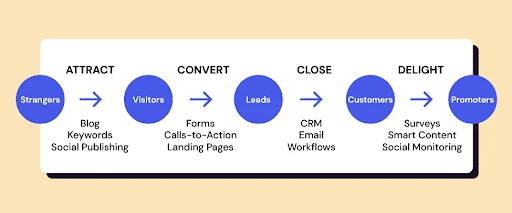
Inbound marketing isn’t about chasing leads—it’s about earning their attention. It’s attracting the right people: the ones already exploring their options, researching solutions, and—believe it or not—wanting to talk to sales. But that kind of lead doesn’t just appear out of thin air. The process starts long before your sales team picks up the phone.
How do you get these leads into your pipeline? Let’s get into it.
Start with buyer personas that actually reflect your best customers
Before you write a single blog or build a landing page, you need to define your audience. This is where detailed, research-backed buyer personas come into play.
Your personas should be based on:
- Real customer interviews and behavior patterns
- Deal data from your CRM
- Insights from your sales and customer success teams
And they should answer questions like:
- What goals are they trying to achieve?
- What challenges are they up against?
- What questions do they ask during the sales process?
- Where do they go for information?
Once you’ve built strong personas, zoom in. Pick one or two to focus your campaign on—ideally, those that generate the most revenue or represent high-retention accounts. Tailoring your message to a tightly defined audience makes your content feel like it was written just for them (because it was).
Here’s the key: don’t overcomplicate it. A few detailed personas based on high-revenue or high-retention segments will serve you way better than a bloated list you never use.
Create content that’s specific, useful, and tailored to the buyer’s journey
Once you know your audience, you can start mapping content to their needs at each stage of their journey:
- Awareness: Blog posts, social content, infographics, and educational videos that highlight pain points and introduce solutions.
- Consideration: Comparison guides, case studies, gated resources, and webinars that help buyers evaluate their options.
- Decision: Testimonials, pricing pages, product demos, and consult offers that build trust and move prospects forward.
Use formats that actually make sense for your audience. If your persona doesn’t know what a meme is (or doesn’t care), skip it. If they don’t have time for a 40-page white paper, don’t write one. Great content in the wrong format is as ineffective as no content at all.
It’s not just about churning out more content—it’s about producing the right content and optimizing it for discoverability. That means:
- Building around SEO clusters and topic authority
- Refreshing old posts with updated stats and stronger CTAs
- Creating content formats that match buyer preferences (think: e-books or interactive tools)
Align sales and marketing to qualify faster and better
Modern inbound strategy means working closely with sales to define what a qualified lead looks like together. That could include:
- Lead scoring based on behaviors and attributes (downloaded a case study + visited pricing page)
- Automated routing and personalization in your email sequences
- Clear handoff points that feel like a continuation of the conversation, not a cold restart
The goal? A smoother path from stranger to SQL, and fewer wasted hours on leads that were never going to close.
When you build your inbound engine around real customer insights and content that speaks to specific needs, you fill your pipeline with people who are more likely to convert. That means less time qualifying, more time closing—and way fewer hair-pulling cold calls.
Ready to make leads come to you?
When you build your inbound engine around real customer insights and content that speaks to specific needs, you fill your pipeline with people who are more likely to convert. That means less time qualifying, more time closing—and way fewer hair-pulling cold calls.
This blog is part of our inbound marketing series:
Subscribe to our newsletter
Curated content, news articles, team updates and more.

